![Sell A Fire-Damaged Home In [market_city]](https://image-cdn.carrot.com/eyJidWNrZXQiOiJwcm9kdWN0aW9uLmNhcnJvdC11cGxvYWRzLm9uY2Fycm90LmNvbSIsImtleSI6InVwbG9hZHMvc2l0ZXMvNzg0NjMvMjAyNi8wNS9TZWxsLUEtRmlyZS1EYW1hZ2VkLUhvbWUucG5nIiwiZWRpdHMiOnsicmVzaXplIjp7IndpZHRoIjoxMTUyfSwidG9Gb3JtYXQiOiJ3ZWJwIiwid2VicCI6eyJxdWFsaXR5Ijo3MH19fQ==)

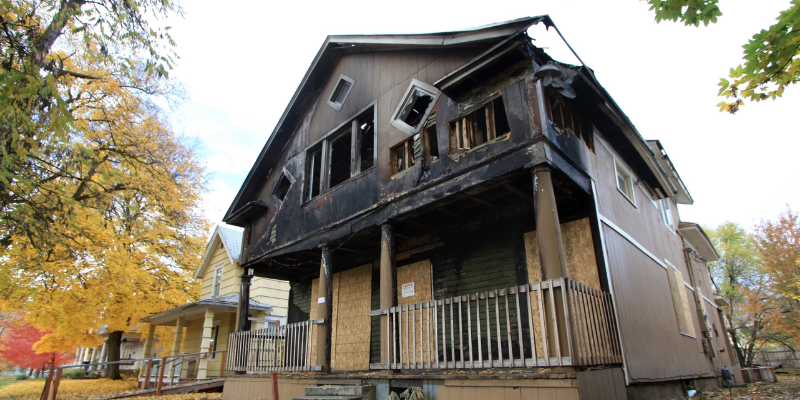
Your house just went up in flames. You’re standing on the sidewalk watching years of memories turn to ash and smoke. Selling might not be on your mind yet, but the next few weeks will shape how quickly you recover. Fire damage doesn’t make your property worthless; it just changes your strategy. Instead of a typical cleanup and list approach, you’ll need a different plan to avoid months of insurance delays, contractor estimates, and paperwork headaches. Here’s what to know: your next decisions will determine whether you recover quickly or get stuck in a long, stressful process.
Selling Fire-damaged Properties in Maryland: Complete Guide for Homeowners
According to the Maryland Office of the State Fire Marshal’s 2024 Annual Fire Fatality Report, Maryland recorded 73 fire-related deaths across 67 fatal fires in 2024. With 19 deaths across 15 fires, Baltimore City had the highest percentage. This shows that residential fires are an ongoing problem and that the state has a system for evaluating and managing fire-affected buildings.
In Maryland, fire-damaged houses are most commonly classified as having cosmetic damage, structural damage, or total loss. Homes with cosmetic damage, such as smoke damage, burned drywall, or damaged flooring, may retain a significant portion of their value and can often be repaired if the homeowner has sufficient insurance coverage and time. However, for those considering selling a house that needs repairs, it is important to weigh the costs of restoration against the potential increase in sale price.
Structural damage affecting foundations, framing, or other major components can be far more costly. In some cases, repair expenses may exceed 50% to 60% of the home’s pre-fire value, making renovations financially impractical. When repair costs become overwhelming, selling the property as-is may be a more realistic option for homeowners looking to avoid the expense and uncertainty of major reconstruction projects.
In cases of total loss, the property is usually treated as land with debris removal, and sellers often turn to cash buyers for faster transactions. Market conditions also need to be considered. Since March 2026, Maryland home prices have risen roughly 4.6% annually, with Baltimore homes averaging 240K. Fire-damaged homes, regardless of location or damage severity, sell for 30% to 60% of the value of comparably undamaged homes.
Based on Maryland’s rising fire-related property losses and the reduced market value of fire-damaged homes, 4 Brothers Buy Houses offers fast cash purchases for properties in any condition, providing homeowners with a practical alternative to costly repairs or rebuilding.
Emergency Property Stabilization After Fire Damage in Maryland
The decisions made in the first 72 hours after a house fire in Maryland can strongly impact both your insurance claim and your future selling options. Do not re-enter the property until the Baltimore City or Baltimore County Fire Department (or the appropriate authority) officially declares it safe.
Don’t run back inside to grab other things. Even if the building looks sound, weakening supports, smoke damage, gas leaks, and electrical problems pose hidden threats. Entering the building too soon can make handling your insurance more difficult.
Before you call your important contacts, like contractors and real estate brokers, you need to call your insurance. Most policies in Maryland require you to call your insurance company as soon as possible to avoid problems with claims, so you will be prompted to call your insurance company before you sell your home. In the meantime, the claim is likely pending; you can compare outcomes, including cash buyers who purchase fire-damaged homes.
Once cleared by the fire department, secure the property by boarding windows, covering roof damage, and possibly fencing the area to prevent theft or vandalism. Shut off all utilities at the main sources, and document all damage thoroughly with photos and video before any cleanup begins, as this evidence is important for both insurance and potential as-is buyers.
Structural Safety Inspections After House Fires in Maryland
Maryland requires a structural engineer’s assessment before a fire-damaged property can be reoccupied. This is mandatory and must be done by a licensed professional engineer registered in Maryland, not a general contractor. The clearance is often required by local building officials before any occupancy permit is issued.
The inspectors will examine the foundation, load-bearing walls, joists, roof, and any steel and concrete elements, as well as determine whether a seller can refuse repairs after a home inspection. It can be especially difficult to uncover fire damage. High temperatures can weaken steel, crack concrete, and damage joints, even if everything appears fine. There may also be long term damage from firefighting related moisture.
The cost of a full structural assessment in Baltimore ranges from $800 to $1,500. Costs are generally lower in rural areas, but the supply of qualified engineers is likely to be more restricted. After major fires, high demand can cause scheduling delays.
If significant damage is found, repair costs can be substantial, with foundation work ranging from 15000 to 50000 or more, and roof reconstruction around 20000 to 40000. The report becomes part of the property record, and if you sell later, buyers will review it, sometimes making an as-is sale to experienced cash buyers the most practical option.
Maryland Fire Marshal Reports and Their Impact on Property Sales
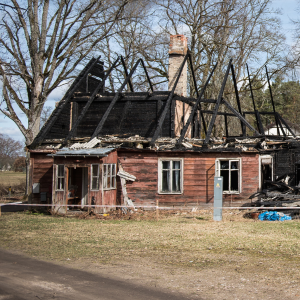
Every structure fire in Maryland generates a fire marshal report that becomes public record. This is especially important for anyone working with a cash-for-houses company in Annapolis and surrounding Maryland cities, as it can directly affect a property’s marketability and insurance eligibility going forward. This transparency can influence both buyers and lenders.
The report describes the cause and extent of the fire, the damage and code violations, and the recommendations for fire prevention. If faulty wiring or heating, among other code issues, are reported, the insurer will be harsh on the property. The report is used during the insurer’s underwriting process.
The cost of updates can be borne by the insurer and must be incurred before coverage is issued; the cost can range from $10K to $25K. The costs deter potential buyers (other than investors) from entering the market. The report on the loss can also indicate lead and asbestos, which require mitigation even after a fire loss, a common occurrence in older homes.
Cash buyers are typically more familiar with fire marshal reports and factor these risks into their offers. You can request a copy from the responding fire department or, in Baltimore City, from the Fire Investigation Division, both of which usually provide copies within 5–10 business days. Having this document early can help you plan your next steps more effectively.
Insurance Claims and Negotiation Basics
Filing a fire damage claim in Maryland involves standard homeowner coverage, such as dwelling repair, personal property, and additional living expenses (ALE). After filing, insurers must explain your coverage within 30 days, and adjusters usually inspect the damage within 2–4 weeks.
You don’t have to accept the first settlement offer. It can be negotiated, especially if you get independent contractor estimates familiar with Maryland building codes. Keep records of all temporary costs, such as hotel and food expenses, since ALE often covers them. These records can also strengthen your case if the insurer disputes part of your claim.
A notable exception is that insurance payouts don’t have to be used for rebuilding the home. In some cases, it is advantageous to sell the home as-is. Delays caused by cost overruns or extended rebuilding times can exceed the benefits of rebuilding the home.
Insurance company adjusters tend to either depreciate damage claims or estimate lower than the damage costs. Disputes may be escalated, or a public adjuster can be hired to negotiate a larger settlement. For this, and more intricate fire damage claims, a public adjuster can be most useful.
Environmental Hazards and Cleanup Requirements for Maryland Fire-damaged Homes
Fire damage creates environmental hazards that many homeowners don’t expect. Smoke residue can contain toxic chemicals, especially when plastics or other synthetic materials burn. Cleanup often requires specialized equipment and trained professionals.
Maryland mandates that fire cleanup follows certain EPA protocols, therefore classifying some cleaning materials as hazardous waste. In fire debris, contaminants can include smoke, plastics, synthetic wood, and treated wood. Older homes may contain materials that will disturb asbestos, which is extreme and may require the use of professional contractors.
Lead paint is another concern in older properties. Fire can turn it into hazardous dust and debris that must be carefully handled under Maryland Department of the Environment rules. Exposure can pose serious health risks if not properly contained. Firefighting water can also cause mold growth within 24–48 hours, further complicating cleanup.
Due to these cumulative risks and costs, many homeowners will sell the property as-is rather than undertake the restoration themselves. Cash buyers of fire-damaged homes will usually factor the cost of cleanup into the offer. This method will also expedite the sales process.
Finding Qualified Fire Damage Restoration Contractors in Maryland
Not every contractor has the qualifications required for fire damage restoration. You need experts in smoke remediation, structural repair, environmental cleanup, and Maryland building codes. Selecting the right professional helps avoid costly errors and safety problems down the road.
Find contractors with the fire and smoke restoration certification from the Institute of Inspection, Cleaning, and Restoration Certification (IICRC), which sets industry standards. With the certification, the contractors have received training in the various cleanup methods and the use and safety of the equipment. Therefore, the restorations will be carried out correctly and to a high standard.
Most restoration work in Maryland requires a license. Check credentials through the Maryland Department of Labor and do not hire unlicensed contractors, as this may influence insurance coverage and result in liability issues. Always check the license status before signing a contract.
Get multiple detailed estimates instead of choosing the lowest offer. Ask for references from recent fire-damage projects, and expect restoration to take about 2–4 months or longer, depending on the severity. Plan for temporary living arrangements and daily disruption during the process.
Maryland Fire Damage Assessment: Determining Your Home’s Current Market Value

Determining the market value of a fire-damaged property, especially to sell your house fast in Maryland, requires specialized knowledge, since standard comparative market analysis (CMA) methods don’t work well. There are usually too few recent sales of similar fire-damaged homes to make reliable comparisons. This makes professional appraisal essential in many cases.
A useful baseline is the property’s pre-fire market value. In Maryland, for example, home values increased by 4.6% in March of 2026, and the median home value was about $446,900. This number does not reflect the number of homes damaged by fire. This number is useful to get a ballpark figure.
The value will vary depending on the estimated severity of the damage. If the fire leaves mostly cosmetic damage and only smoke, the value will drop 25 to 40%. If fire damage includes the destruction of the structure, the value falls between 60% and 80%. Within the range of the most and least damage, the value will typically drop between 40 and 70%. These ranges vary widely based on inspection findings.
The location and surrounding market conditions certainly matter. Properties in areas of Baltimore with stronger neighborhoods (e.g., Federal Hill, Canton, and Hampden) may retain more value (due to land and redevelopment potential), while properties in weaker areas experience steeper declines. Nearby redevelopment activity and/or neighborhood decline will affect the final valuation, either positively or negatively.
Legal Requirements for Disclosing Fire Damage in Maryland Real Estate Transactions
Maryland law obliges sellers to disclose known material defects; fire damage is always considered material. Not disclosing fire damage, even if it is merely cosmetic, will expose your client to legal trouble. Fire damage must be disclosed to prospective buyers, even if it has been repaired. There is no exception if the property has been restored to its previous condition.
The Maryland Residential Property Disclosure and Disclaimer Statement must include pertinent information about damages, claims, and current issues. Undisclosed information can create legal issues even after the transaction. This document must be issued to the buyer before the buyer signs the contract.
The previous fire damage insurance claims must also be stated. Past claims can increase the property’s risk level and can be perceived as such by both the potential buyer and the insurance agent, potentially having negative consequences on the property’s insurability and resale value. Materiality must also be considered when disclosing settled claims and partial claims.
You’ll have to report on any environmental threats you were already aware of that the fire may have exposed, like mold, asbestos, lead, or contaminated soil. The process is much easier with fire-damage purchasers who are already accustomed to these situations. The concerns can hinder financing and may lead to additional inspections.
Maryland Property Title Issues After Fire Damage
The title might get complicated if your home suffers fire damage. If your home suffers a lot of damage, your mortgage lender places restrictions on your home’s title until the damage is fixed or the loan is paid off. This is because lenders want to ensure the home is sufficient collateral for the loan. This can also delay the sale or refinancing of your home.
The title process can be influenced by insurance settlements. If a settlement amount exceeds the remaining mortgage balance, the lender will want to protect its financial interest in the property and will therefore become involved in the settlement process. As a result, settlement funds can become subject to the lender’s approval and/or supervision.
If you plan to sell the property as-is, check your mortgage documents first. Some lenders require the home to be restored to a livable condition before a sale, while others require the loan to be fully paid from the sale proceeds. This can limit your negotiating options with buyers. Lender consent is often required before listing the property.
Liens can result from contractor work, utility shutdowns, and municipal cleanup expenses from a fire. They must be removed before a clean title can be transferred. Title companies usually require supplemental documents, which can delay and/or complicate the closing process. These issues can greatly delay closing.
As-is Property Sales: Marketing Fire-damaged Houses in Maryland

Marketing fire-damaged properties requires a different approach from traditional real estate. Standard photos and listing descriptions are often ineffective, so the focus should shift from current condition to future potential.
Highlight what the property could become instead of what it is now. Emphasize location benefits, lot size, neighborhood growth, and redevelopment opportunities to attract the right buyers. This helps reframe buyer perception quickly. It is also important to tailor messaging toward buyers who specialize in distressed or renovation projects.
From the start, pricing needs to be both realistic & competitive. If the price exceeds the fair market value, the sale will not proceed. Buyers will lose interest the longer the sale is listed, and market stigma will be attributed to the sale. Sales setbacks lead to a gradual decline in overall buyer interest. Expectations can be established with appropriate pricing by analyzing comparable distressed sales.
Focus on investor and cash buyer networks rather than typical homebuyers. Be open to lower offers and expect more thorough due diligence, as investors factor in risk and uncertainty when evaluating. Speed of closing is often a key advantage here.
Looking to sell a fire-damaged property? Contact us today for a fast, hassle-free cash offer, no repairs, no delays, and a smooth closing tailored for distressed property owners.
Timeline Expectations for Selling Fire-damaged Property in Maryland
Realistic timelines are important when planning the sale of a fire-damaged property in Maryland. Traditional sales usually take about 3–6 months, depending on buyer interest and property condition, with the first month spent on assessments, estimates, and pricing decisions. If repairs are made first, restoration can add another 2–4 months, depending on damage and permits.
Marketing these properties often takes longer than marketing normal homes. Many sit 60–90 days before attracting serious buyers, and overpriced listings can remain unsold for 6–12 months. This makes pricing and condition especially important from the start.
Cash sales are much faster, generally taking 2-4 weeks. Most of that period is spent working on the title and coordinating the closing. The winter months can bring slower cash sales due to a drop in buyer and renovation interest, which is more advantageous. In those periods, cash sales become more advantageous than longer sales.
Planning ahead for financing, insurance coordination, and contractor availability can also impact your timeline. Delays in approvals, inspections, or documentation are common after fire damage, so building in extra time helps avoid surprises and reduces stress during the selling process.
Tax Implications of Selling Fire-damaged Property in Maryland
The tax implications of selling fire-damaged property can be complex, especially when insurance payouts are involved. If your insurance settlement exceeds your property’s adjusted basis, you may still owe taxes on a gain even if the home was damaged, which can reduce your net proceeds. Because of this, consulting a tax professional familiar with federal rules is important.
If insurance doesn’t fully cover your losses, you may qualify for a casualty loss deduction under federal rules (which Maryland generally follows). However, these deductions have strict documentation and timing requirements. In some cases, selling for less than your mortgage balance can also trigger cancellation-of-debt income, which may be taxable even if you don’t receive cash.
Keeping detailed records of repairs, appraisals, and insurance communications is essential because these documents help establish your adjusted basis and support any deductions or exclusions you claim later.
Capital gains rules still apply based on how long you owned the property and whether it was a primary residence, but fire damage can affect how gain or loss is calculated. Timing also matters, since sales and insurance payouts across different tax years can change your tax outcome and overall liability.
Frequently Asked Questions
What Makes a House Unable to Sell?
Several factors can make fire-damaged houses difficult to sell through traditional channels. Extensive structural damage, environmental hazards such as asbestos or lead, title complications arising from insurance claims, and properties that don’t meet current building codes all create barriers for traditional buyers. Most conventional buyers can’t get financing for properties requiring major repairs, which significantly limits your buyer pool.
How Do You Sell a House After a Fire?
Start by securing the property and filing your insurance claim immediately. Get a structural assessment and determine whether restoration makes financial sense compared to selling as-is. If you choose to sell as-is, work with buyers who specialize in fire-damaged properties rather than trying traditional marketing approaches. Document all damage thoroughly and be prepared for extensive disclosure requirements.
What Should You Not Fix Before Selling a House?
Don’t attempt major structural repairs or cleanup on a fire-damaged property before selling it. These jobs require licensed contractors and permits, and DIY work can reduce value. Also, avoid cosmetic upgrades like painting or new flooring, since buyers usually plan to renovate. Instead, focus on basic security measures, such as boarding windows and disconnecting utilities safely.
Dealing with fire damage is overwhelming without the support of Maryland real estate and insurance professionals. Whether you restore or sell as-is, it’s important to understand your options first. 4 Brothers Buy Houses has handled many fire-damage cases in Maryland and can help you compare restoration costs vs. selling as-is and assess your property’s current value. Contact us at (202) 601-4928 for a free consultation that could save you time, stress, and money.
Helpful Maryland Blog Articles
- Selling Partial Ownership Of A House In Maryland
- How Much Does a Realtor Charge to Sell a House in Maryland
- How to Sell a Condemned House in Maryland
- Can I Sell My House if I Filed Chapter 13 in Maryland?
- Selling a Rental Property in Maryland
- How Much Does It Cost to Stage a House in Maryland?
- How to Sell a House With Foundation Issues in Maryland
- Selling a Fire-Damaged House in Maryland
- How Long Can Sellers Stay In Your Home After Real Estate Closing
- Can a Seller Refuse Repairs After a Home Inspection
- Selling a House That Needs Repairs in Maryland
- How Does Selling A House with A Mortgage Work in Maryland