


Most homeowners assume they can’t sell until the mortgage is paid off. That assumption is wrong, and it costs people real money and wasted time every year.
Selling a Mortgaged Home in Maryland: What Most Articles Skip
Selling while you still owe money on your loan is completely ordinary in Maryland. The state’s homeownership rate sits at 71.6%, and the overwhelming majority of sellers here carry an outstanding mortgage that has to be paid off before title changes hands. There are just more moving parts than people expect, which means your closing timeline has to account for payoff coordination with your lender.
One of those moving parts is the cost side. Closing costs in Maryland run around 3.77% of the sale price. Realtor commissions tack on another 5.55%. Add your loan payoff to that, and suddenly you’re looking at what you’ll actually walk away with, which is often less than the seller’s picture. Too many people skip that math until they’re sitting at the settlement table. That’s the worst possible time to be surprised.
The Coleman family learned this firsthand. I met them last fall in Gwynn Oak about a rowhome they’d inherited and couldn’t keep up with. Three months behind on the mortgage, an auction date already on the calendar, and the property needed work, a traditional listing wasn’t going to get it done in time. We moved fast, handled the payoff straight through closing, and they left with cash before the auction ever happened. That’s what most sellers don’t realize: a lien doesn’t block a sale. It just gets cleared at closing. The title company handles it.
Maryland charges both buyers and sellers transfer taxes. The state’s cut is 0.5% of the purchase price. Baltimore City adds 1.5% at the local level; Montgomery County adds 1%. The rates shift by county, so get a precise figure from your title company early — not at the final settlement sheet when there’s nothing left to adjust.
What Maryland Home Sellers Need to Know Before Listing

Your lender holds a lien on the property until the loan is paid in full. That lien has to be released before ownership can transfer cleanly, which is exactly why the title company is so central to the whole process. They order a payoff statement from your lender; that amount gets collected at closing, the lien gets discharged, and the deed passes to the buyer with nothing attached.
Title insurance is part of this picture, too. An owner’s policy protects the buyer against claims or defects that surface after closing, and in Maryland, the seller typically covers this cost. Title service fees run about 0.32% of the sale price. On a mid-range Maryland home, that’s not a rounding error — build it into your net sheet from the start.
One thing that catches sellers off guard: your mortgage balance and your payoff amount aren’t the same figure. The payoff includes accrued interest through the closing date and, depending on your loan type, possibly a prepayment penalty. Call your servicer, ask for a 30-day payoff quote, and use that number when you’re running your calculations. Not your last statement balance. Understanding this is an important part of Maryland earnest money rules and the broader closing process.
Maryland is an attorney-optional state for real estate closings, so you’re not legally required to hire one. Some sellers do anyway, particularly when things get complicated — estates, tax liens, partnership disputes. Title companies won’t sort those out for you. For a clean, straightforward sale, the title company handles everything.
How Does Selling a House with a Mortgage Work in Maryland
Your loan gets paid off at closing. That’s the short answer.
The longer answer is that it’s more orderly than people expect. When the sale closes, the proceeds don’t land in your account first. The settlement agent uses the buyer’s funds to pay off your lender directly, releases the lien, and then sends you whatever equity is left. Your mortgage doesn’t transfer to your next home. It dies at closing.
The sequence goes like this: you accept an offer, sign a purchase contract, which is a legally binding agreement under Maryland real estate law, and your lender gets looped in through the title process. A payoff statement gets ordered. The title company confirms no other liens or encumbrances are sitting on the property. On closing day, the funds move, the deed gets recorded, and your loan balance hits zero the moment the recorder timestamps it.
The sellers who get into trouble are almost always the ones who didn’t run the numbers before going under contract. They accept an offer, exhale, and then get blindsided at settlement when the math doesn’t work out the way they imagined. Run the numbers before you list. Not after you’ve already signed something.
How Much Equity Do You Need to Sell a Mortgaged Home in Maryland
Sellers tend to think of equity as a cushion that absorbs everything. Selling costs eat through that cushion faster than expected, and in plenty of Maryland ZIP codes, it’s not as thick as the market headlines make it sound.
A reasonable benchmark: you want at least 10% equity just to break even after fees. Between agent commissions and closing costs, plan to give up somewhere between 9 and 10% of your sale price — and that’s before your mortgage payoff enters the picture. On a home near Maryland’s current median, that’s a five-figure line item coming straight out of your proceeds.
As of May 2026, Maryland’s median home sale price was $448,407. At that number, a meaningful chunk of the sale evaporates before you even get to the loan balance. If you bought during the pandemic market peak, put 5% down, and have been carrying the property since, you may have a lot less equity than you think — especially once you factor in carrying costs over those years.
That said, you don’t need enormous equity for a sale to work. Sellers who’ve owned long enough to accumulate loan paydown can often come out clean even with modest equity positions. The ones who genuinely struggle are the recent buyers, the cash-out refinancers, and people in neighborhoods where values have softened. Do you actually know your current payoff number? Pull it before you commit to anything.
What Happens If You Owe More Than Your Home Is Worth in Maryland
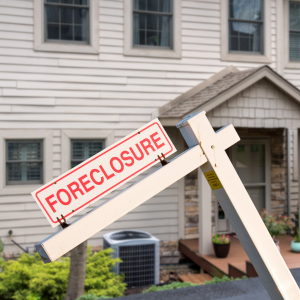
Sitting down with someone who’s upside down on their house is one of the hardest conversations in this business. Most of the time, they’ve already figured out the math before they pick up the phone. They don’t need the situation explained; they need to know what can actually be done about it.
Owing more than the home’s market value means you’re underwater. It doesn’t automatically mean you’re stuck. One option is a short sale, where your lender agrees to accept less than the full payoff to avoid the expense and delay of pushing through a foreclosure. Short sales require lender approval, move more slowly than conventional sales, and leave a mark on your credit, but the damage is significantly less than a completed foreclosure. You’ll want legal counsel in your corner, or at a minimum, a HUD-approved housing counselor. Lender negotiations tend to move faster when someone who knows the process is advocating for you. The U.S. Department of Housing and Urban Development has approved counselors available to Maryland homeowners at no charge.
Foreclosure timelines in Maryland can run 180 days or longer, depending on the county. That’s a window. Options stay open during that window. The Maryland REALTORS Association and the Maryland Department of Housing and Community Development both have resources specifically for homeowners in financial distress.
A short sale requires a willing buyer, lender approval, and patience from all parties involved. If you’re looking to sell your house fast in Annapolis, working with a cash buyer can help simplify the process. Companies like 4 Brothers Buy Houses often purchase short-sale properties and may handle lender negotiations directly, helping homeowners move through the transaction more efficiently.
How to Prepare Your Maryland Home for the Market
I spent years overcomplicating this. I used to push sellers toward more prep work than the market actually rewarded, and I watched people drop real money on updates that didn’t move the needle at closing.
What consistently works in Maryland: fresh paint, a clean house, and decent curb appeal. A neutral coat of paint in a Fells Point rowhome or a tidy front yard in a Silver Spring colonial can shift a buyer’s first impression completely. Buyers make up their minds in roughly 90 seconds, so everything you put effort into should be pointed at those first 90 seconds.
Major renovations rarely pay for themselves. A kitchen overhaul might cost $25,000 and push perceived value up by $15,000. Sellers still do it because doing something feels better than sitting still. Resist that instinct. Focus on the home’s actual condition, not a cosmetic reinvention.
Accurate pricing matters more than any physical upgrade. Overpriced homes in Maryland linger and typically end up selling for less than they would have at the right price from day one. Median days on market in Maryland were 45 days as of May 2026. Homes that open above market value tend to blow past that mark and pick up the kind of buyer skepticism that’s nearly impossible to shake — price cuts don’t undo the stigma.
Don’t overlook disclosures, either. In Maryland, sellers are required to complete a written property disclosure statement or formally disclaim responsibility for the property’s condition. Taking care of this early can help prevent delays and keep your contract timeline on track. If you’re looking for a faster, more streamlined sale, we buy houses in Maryland and can help simplify the process from start to finish.
How Maryland Market Conditions Affect Your Sale Price
Maryland’s market in 2026 is cooler than it was two years ago. Sellers who went through 2022 and are expecting the same atmosphere are in for a reality check.
Days on market reached 44 in June 2026, up from 41 a year earlier. Buyers have slowed down. They’re reading disclosures, requesting inspections, and pushing back on repairs again, things that had essentially vanished from the 2022 playbook. The market still leans toward sellers relative to the national picture, but not by the margin it once did.
Spring remains the strongest window for Maryland listings. Late March through June consistently produces the most buyer traffic and the sharpest offers, especially in the Baltimore suburbs and along the DC corridor. Anne Arundel, Howard, and Montgomery counties all tend to see competitive activity during spring. If you have flexibility on timing, aim for an April launch.
Baltimore City’s median list price was $235,432 in June 2025, up 4.3% from the month prior. Baltimore County averaged $363,263. That gap between city and county pricing should factor into how aggressively you invest in prep versus how aggressively you price. City and suburban properties are playing different games.
One thing that doesn’t get enough attention: appraisal gaps. When a buyer’s lender appraises the home below the contract price, someone eats the difference. In a softening market, that risk is real. If you’re pricing at the top of your comparable sales range, leave some negotiating room.
What Are the Tax Implications When You Sell Your Maryland Home

This is where sellers regularly leave money on the table, or get surprised by a bill they didn’t see coming. And it’s not just Maryland transfer taxes; federal capital gains exposure catches long-term homeowners off guard more often than you’d expect.
The federal exclusion covers up to $250,000 in capital gains for single filers and up to $500,000 for married couples filing jointly, provided the home was your primary residence for at least two of the five years before the sale. IRS Publication 523 lays out the full eligibility requirements. If you’ve held the home since 2012 and it’s gone up $200,000, you likely owe nothing federally. But if the property has been a rental, or you’ve held it a short time with sharp appreciation, the calculation changes.
Maryland doesn’t have a separate state capital gains tax. Gains from a real estate sale get folded into your regular Maryland income tax return and taxed at your ordinary income rate, anywhere from 2% to 5.75% depending on your bracket, plus local income tax based on the county where you live.
Miguel Nguyen had held a rental property in Catonsville for years and was done being a landlord. The detached garage was full of equipment he had no use for, and by the time I walked through the place on a Tuesday, his mind was already made up. He sold directly to us, skipped months of carrying costs, and used the proceeds to knock out a personal loan. The tax picture was clean because he’d held the property long enough — one call with his accountant wrapped it up.
Talk to a tax professional before your closing, not after. Your settlement statement from the title company documents the full sale price, and that’s what gets used to calculate any gain. Hang onto every document. Need to sell fast? 4 Brothers Buy Houses buys houses for cash. Call us today to discuss your options and get a no-obligation cash offer.
Frequently Asked Questions
What Happens If You Sell a House with a Mortgage on It?
Your mortgage isn’t cleared the moment you accept an offer, but it does get resolved at closing. The title company or settlement attorney takes the buyer’s funds, pays off your outstanding loan balance directly to your lender, and releases the lien on the property. Whatever equity is left after the payoff and closing costs gets distributed to you. It’s a standard part of Maryland real estate transactions.
What Is the 3-3-3 Rule for Mortgages?
The 3-3-3 rule is a budgeting guideline: spend no more than three times your annual income on a home, put down at least 3%, and keep monthly housing costs below 30% of gross monthly income. It’s a framework, not a lending requirement. Lenders don’t enforce it. If you’re selling, it’s more relevant to how you approach your next purchase than anything in your current transaction.
How Much Tax Do You Pay When You Sell a House in Maryland?
The state transfer tax is 0.5% of the purchase price, with local transfer taxes varying by county. On the federal side, if the home was your primary residence for two of the last five years, single filers can exclude up to $250,000 in gains and married filers up to $500,000. Anything left over gets taxed as ordinary income in Maryland. A tax professional can work out the precise number once they have your purchase price, improvement costs, and ownership timeline.
How Does a Mortgage Get Paid When Selling a House?
The buyer’s funds arrive at closing, and the settlement agent disburses them per the settlement statement. Your lender gets its payoff first, the lien is discharged, and the deed transfers to the buyer. You don’t have to coordinate the payoff separately — the title company handles the whole sequence. If you want the exact number ahead of time, call your loan servicer and ask for a written payoff quote with a specific good-through date.
Helpful Maryland Blog Articles
- Selling Partial Ownership Of A House In Maryland
- How Much Does a Realtor Charge to Sell a House in Maryland
- How to Sell a Condemned House in Maryland
- Can I Sell My House if I Filed Chapter 13 in Maryland?
- Selling a Rental Property in Maryland
- How Much Does It Cost to Stage a House in Maryland?
- How to Sell a House With Foundation Issues in Maryland
- Selling a Fire-Damaged House in Maryland
- How Long Can Sellers Stay In Your Home After Real Estate Closing
- Can a Seller Refuse Repairs After a Home Inspection
- Selling a House That Needs Repairs in Maryland
- How Does Selling A House with A Mortgage Work in Maryland