
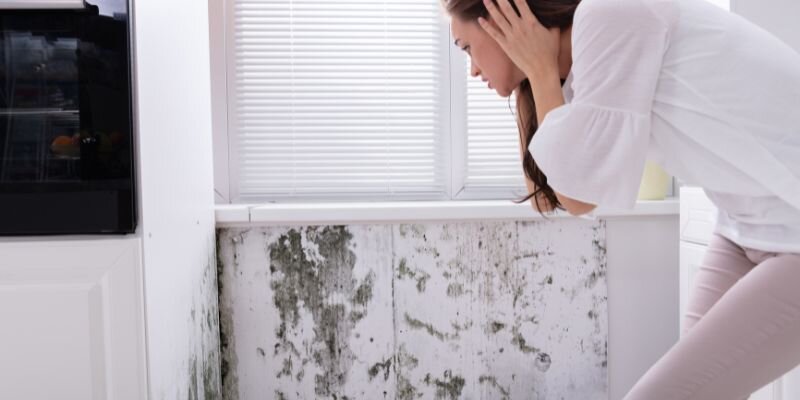
Did you just find out there’s mold in your property when a potential buyer already placed an offer. Take a breath. Selling a house with mold problems in Virginia is still on the table. Mold is a problem, not a death sentence for your sale.
This guide covers everything you need to know about how to sell a house with mold problems in Virginia. We’ll cover what the law says and what your options are to actually get the deal closed.
Can You Sell a House with Mold Problems in Virginia?
Yes, you can sell a house with mold problems in Virginia but with some homework involved.
Mold is a defect under Virginia law, which means you are required to disclose it. That part is non-negotiable. What is negotiable is everything else, including how you price the home, whether you fix it first, and who you sell it to.
A lot of sellers assume mold automatically scares buyers off. Sometimes it does. But many buyers, especially investors and cash buyers, are completely unbothered by it. The pool of interested buyers shifts, but it does not disappear — especially when companies we buy houses in Virginia are ready to step in.
What actually derails mold-related sales is not the mold itself. It is sellers who try to hide it and price the home like nothing is wrong. Those who wait too long to figure out their options. Get clear on where you stand early and the rest of the process gets a lot more manageable.
Common Signs of Mold in a Virginia Property
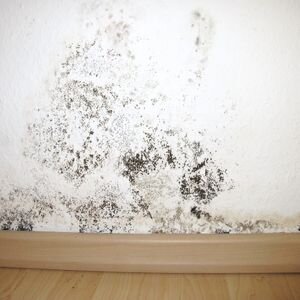
Mold rarely gives you a heads up. Most sellers find out about it when an inspector walks through the house, which is the worst timing. A quick self-check before you list can save you a lot of grief later.
Visual Indicators to Watch For
Start with the obvious stuff. Look for discolored patches on surfaces around the house.
Mold comes in more colors. Black and green are the usual suspects, but white and orange show up, too. They often have a fuzzy or slimy texture that is hard to mistake for anything else.
They tend to set up camp on moisture-prone areas. Think anywhere that stays damp longer than the rest of the house, like near a leaky pipe or a window that does not seal properly.
Smell and Air Quality Red Flags
A musty smell that sticks around even after a thorough clean is worth taking seriously. It often means mold is somewhere you cannot see yet, tucked behind a wall or sitting under flooring.
On the health side, if people in the house have had more congestion or headaches than usual, that is not always just the season changing. Mold affects air quality quietly and the symptoms get blamed on everything else first.
Water Damage as a Mold Warning Sign
Those warped baseboards and ceiling stains tell a story. They point to moisture that has been sitting somewhere it should not and where moisture sits long enough, mold tends to follow.
Any history of leaks or poor airflow in the home means those spots deserve a real look before listing. Better you find it than the inspector.
Types of Mold Commonly Found in Virginia Homes
The type of mold in your home shapes how much remediation will cost and how quickly you need to act. Sometimes, even how buyers respond when they find out is affected by this.
Black Mold
Stachybotrys chartarum, better known as black mold, carries the most weight in these conversations.
It develops in areas where moisture has been a long-term issue rather than just a one-time leak. It is tied to more serious health concerns than most other types.
If a professional identifies it, moving quickly is the smart call. This is not one to monitor and revisit later.
White Mold
White mold looks a lot like efflorescence, that chalky residue that forms on concrete and is completely harmless. The problem is that actual white mold is very much not harmless and it spreads.
It shows up most often in crawl spaces and on wood framing. If you are not sure which one you are looking at, get a professional in to confirm before making any assumptions.
Green and Blue-Green Mold
This is the variety Virginia homeowners run into most often. It tends to appear in kitchens and around HVAC systems, usually because of humidity or ventilation that has not been quite right for a while.
It does not carry the same reputation as black mold, but buyers and inspectors treat it as a real issue all the same. You should address it before listing.
How Does Mold Damage Affect Your Home’s Value?
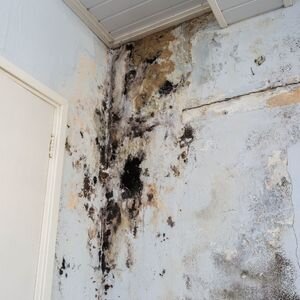
Mold does not just cost you the remediation bill. It costs you negotiating power and that is the part sellers feel most.
Buyers who know about mold come in with lower offers. Not always dramatically lower, but they factor in the fix and the inconvenience. That math rarely works in your favor at the negotiating table.
There is also the financing issue. Some lenders will not approve a mortgage on a home with an active mold problem, which quietly cuts down your buyer pool before anyone even makes an offer.
On the other hand, mold that has been professionally remediated and properly documented tends to land better with buyers than mold that is just sitting there undisclosed. A clean report from a certified professional gives buyers something to hold onto. That confidence shows up in how they negotiate.
Legal Consequences of Failing to Disclose Mold in Virginia
Hiding mold is not a strategy. It is an expensive liability.
Virginia law requires sellers to disclose known defects. If a buyer finds mold after closing that you knew about, you are looking at a lawsuit.
The damages can cover remediation costs, temporary housing during repairs, medical expenses from mold exposure, and the gap between what the buyer paid and what the home was actually worth. That can cost tens of thousands of dollars in a lot of cases.
Courts can also unwind the entire sale. That means returning the money and taking the house back. You’ll deal with legal fees on top of everything else.
The disclosure conversation with a buyer is uncomfortable for maybe five minutes. The alternative is a lot worse.
What Affects the Cost of Mold Remediation
Remediation costs are all over the place. The range is wide enough that two homes with mold can end up with very different bills.
How Far the Mold Has Spread
This is the biggest factor by a long shot. A small patch in a bathroom is a very different job from mold that has worked its way into the walls or structural framing.
The deeper it goes, the more labor and materials are involved. The bill reflects that pretty quickly.
Where the Mold Is Located
Easy-to-access areas cost less to treat than mold tucked inside a crawl space or behind finished walls. Contractors charge more when the work is harder to reach and that is before any drywall replacement or structural repairs even enter the conversation.
The Type of Mold
Black mold remediation comes with stricter containment requirements and more intensive treatment protocols. This pushes costs up compared to more common varieties.
The Moisture Source
Fixing the mold without fixing what caused it just sets you up for a repeat problem down the road. That repair, whether it is a leaky pipe, a drainage issue, or a ventilation fix, adds to the total but skipping it is not really an option.
Average Mold Repair Costs by Affected Area
Mold remediation can cost anywhere from a few hundred dollars to well over twenty thousand. The cost you’ll be paying depends entirely on the size of the problem.
| Affected Area | Estimated Cost Range |
| Up to 50 sq ft | $500 to $1,500 |
| 100 sq ft | $1,000 to $2,500 |
| 150 sq ft | $1,500 to $3,750 |
| 200 sq ft | $2,000 to $5,000 |
| 500 sq ft | $5,000 to $13,500 |
| 1,000 sq ft | $10,000 to $25,000 |
These numbers cover remediation only. If mold has damaged flooring, drywall, or framing, those repairs are a separate line item entirely. You should get a full assessment upfront to save you from being surprised halfway through the process.
Should You Fix the Mold or Sell the House As-Is?
This is somehow a fork in the road. One path has a renovation crew. The other has a cash buyer with a pen already out. Neither is wrong. It just depends on what you are working with.
Remediate Before Listing
Remediation before listing is the long game. You spend money upfront and handle the mold properly. You come out the other side with a home that appeals to a much wider pool of buyers.
This works well for financed buyers. Their lenders would have flagged an active mold problem, so having a clean remediation report keeps that door open.
The catch is time and money you might not have. If the damage is extensive, you could be looking at weeks before you can even think about listing.
Sell the Property As-Is with Full Disclosure
Selling as-is does not mean selling in secret. You still disclose everything and price the home to reflect its condition. You let buyers take it from there.
The people who show up for as-is properties are usually investors or experienced renovators. They have seen mold before and they know what remediation costs. An inspection report is not going to send them running.
Deals with this crowd also tend to move faster, which is crucial when your timeline is tight.
Meet Potential Buyers Halfway
This option does not get talked about enough. You should fix the moisture source and handle whatever is minor. You should also disclose what remains and price accordingly.
It signals to buyers that you took the problem seriously. That goodwill carries more weight at the negotiating table than most sellers expect.
How to Sell a House with Mold Problems in Virginia

Step 1: Get a Professional Mold Inspection
Do not guess and do not eyeball it.
A certified mold inspector comes in and assesses the full situation. They identify the type of mold and trace it back to the moisture source.
That report becomes your checklist for everything that follows. It tells you what you are actually dealing with and what needs to happen next. It also gives you what you will need to put on your disclosure forms.
If you skip this step to save a couple hundred dollars, it will cost significantly more down the line and that is not an exaggeration.
Step 2: Get Remediation Quotes
Take that inspection report to at least two or three licensed remediation contractors and get real numbers on paper.
Prices for the same scope of work can vary by thousands of dollars depending on who you call, so shopping around is worth the effort.
This step also gives you something accurate to work with when figuring out your next move. A lot of sellers try to make the remediate-or-sell decision without knowing what remediation actually costs. That makes the whole thing harder than it needs to be.
Step 3: Decide Whether to Remediate or Sell As-Is
With a clear picture of the problem and what fixing it would cost, you can make a real decision rather than a stressed-out one.
Remediate if the numbers make sense and your timeline has breathing room. Go as-is if the costs are steep and getting the home sold quickly matters more.
A partial fix is also on the table. You do not have to choose between a full renovation and doing absolutely nothing. Sometimes fixing the moisture source and handling the minor mold is the move that gets you the best outcome without draining your resources.
Step 4: Complete Your Virginia Disclosure Forms Accurately
Sellers get into trouble doing this when they treat it like a box-ticking exercise.
Virginia requires you to disclose known defects and mold sits right at the top of that list.
Go through the forms carefully and do not leave vague answers. Do not skip past questions hoping a buyer will not notice.
If anything feels unclear, talk to a real estate attorney before you put pen to paper. A wrong answer on a disclosure form has a way of turning into a very expensive problem well after closing.
Step 5: Price the Home to Reflect Its Condition
A mold-affected home priced like nothing is wrong is going to sit on the market longer than it should.
Buyers do their research and their inspectors find things. Overpriced mold-affected listings almost always end up selling for less than honest pricing would have gotten in the first place.
Work with your agent to land on a number that accounts for the mold situation and still makes sense for the Virginia market. A well-priced home in realistic condition attracts serious buyers a lot faster than an aspirationally priced one that keeps falling through.
Step 6: Market the Property to the Right Buyers
Not every buyer is the right fit for a mold-affected property. Spending energy on the wrong crowd just drags the process out.
First-time buyers with FHA loans are probably not your audience here. Your crowd are investors, cash buyers, and people who have done renovations before absolutely are.
These buyers know how to look at a mold situation and factor it into their offer without panicking. If you get your listing visible to that group from day one, it makes everything downstream smoother and faster.
Step 7: Negotiate Honestly and Close the Sale
Buyers of mold-affected properties will come in with questions and they will negotiate. Going in expecting it takes a lot of the sting out of it.
Sellers who have their documentation ready and priced the home honestly tend to have much shorter negotiating conversations.
The back and forth is a lot less painful when both sides are working with the same information. Stand behind your disclosure and trust the prep work you have done. Know that being this organized puts you in a strong position to close.
How to Address Buyer Concerns About Mold
Buyers are going to have questions about the mold. That is not a red flag, it is just what happens when someone is about to spend a significant amount of money on a home with a known issue.
The worst thing you can do is get defensive. Here is what you can do:
- Have your documentation ready. This includes inspection report, remediation quotes, and any work already done. Keep it organized and easy to hand over. It signals you have nothing to hide.
- Let buyers bring their own inspector. Do not push back on this. An independent inspection that confirms what you already disclosed is one of the best things that can happen for your sale.
- Price the home honestly. A lot of buyer anxiety around mold disappears when the price already accounts for it. Give them less to argue about.
- Stay matter-of-fact about it. Buyers who feel like they are getting the full picture tend to stay in the deal. The ones who feel like they are pulling teeth to get information tend to walk.
Should You Get a Pre-Listing Inspection?
Yes, you should get a pre-listing inspection.
A pre-listing inspection puts you in the driver’s seat. You find out what is there before a buyer’s inspector does, which means you get to decide how to handle it rather than scrambling to respond to someone else’s findings under pressure.
When a buyer’s inspector finds mold, the dynamic changes. Buyers get nervous and then, you are negotiating from a defensive position. When you already know about it and have a plan, that whole scenario becomes different.
Sellers who walk in with a pre-listing report also signal to buyers that they are being straight with them. That transparency is genuinely disarming in a transaction where buyers are already on high alert.
A few hundred dollars upfront for information that shapes your entire selling strategy is money well spent.
Tips for Selling a House with Mold Issues in Virginia Without the Legal Headaches
The legal side of selling a mold-affected home is not as scary as it sounds, but it does require you to take it seriously from the start. If you’re ready to move forward and want guidance from professionals who handle mold-affected properties regularly, you can fill out our quick contact us form to start the conversation today.
Document Everything Before You List
Get into the habit of writing things down and keeping records of everything mold-related. Yes, we’re talking about inspection reports, contractor quotes, remediation invoices, and before and after photos.
This paper trail is your protection if a buyer ever tries to claim you hid something. It also makes filling out disclosure forms a lot easier when you are not trying to remember details from memory.
Work with a Real Estate Agent Who Has Experience with Mold Situations
Not every agent has dealt with a mold-affected sale before. The difference between one who has and one who has not shows up pretty quickly.
An experienced agent knows how to price the home realistically and how to market it to the right buyers. They also know how to handle the negotiation when mold comes up.
That last part especially matters because mold negotiations can get tense fast if the person on your side does not know how to manage them.
Know What Virginia Law Requires of You
Virginia’s disclosure requirements are not optional and they are not vague. You are required to disclose known defects and mold qualifies. If you know exactly what the law says before you list, you are not guessing your way through the forms.
If you are unsure about anything specific, a quick conversation with a real estate attorney is worth every penny.
When to Bring in a Real Estate Attorney
Speaking of attorneys, there are situations where having one in your corner is a necessity.
If the mold damage is extensive or if a buyer is already making noise about legal action, get an attorney involved early. It also makes sense to get an attorney if you are just not confident about the disclosure requirements in your specific situation.
It is a lot cheaper to get proper guidance upfront than to deal with a lawsuit after the fact.
Why Do Some Virginia Homeowners with Mold Damage Turn to Cash Buyers?
Mold and traditional buyers are not a great combination. Lenders get nervous and inspectors flag everything. Deals that seemed great can fall apart right before closing. It is frustrating and it always happens.
Cash buyers are different. They come in knowing the property has mold and they know what it costs to fix. If you’re in Stafford, many sellers find working with buyers who sell your Stafford house fast for cash gives them certainty and speed without months on the market. They make an offer that accounts for all of it. No lender anxiety or last-minute cold feet. They also won’t renegotiate after the inspection.
The speed is also hard to argue with. Traditional sales with a mold complication can drag on for months. Cash deals close fast, sometimes in a matter of weeks, which for a lot of sellers is exactly what they need.
It is not the right move for everyone. If you have time and budget for remediation, the traditional market might get you a higher number. But if you want certainty over speculation, a cash buyer is a genuinely strong option.
Frequently Asked Questions
Can I sell my house with mold issues in Virginia without fixing it first?
Yes, absolutely. Virginia law does not require you to remediate before selling. What it does require is that you disclose the mold to potential buyers. Plenty of homeowners sell mold-affected properties as-is every year, usually to investors or cash buyers who are comfortable taking on the repair themselves.
Do I have to tell potential buyers about past mold problems?
Yes and this applies even if the mold has already been remediated. Virginia’s disclosure requirements cover known defects and a history of mold qualifies. A properly documented remediation actually tends to reassure buyers rather than scare them off.
How long does mold remediation take before I can list my home?
It depends on the extent of the damage. A small contained area can be handled in a day or two. More significant mold problems that have spread into walls or structural materials can take anywhere from a week to several weeks. You should get a professional assessment upfront to have a realistic timeline to work with.
Will a home inspector always find mold during a sale?
Not always, but they are pretty good at spotting the signs. Inspectors look for moisture damage, discoloration, and musty odors, and any of those can lead them straight to a mold problem. Trying to hide mold from an inspector is a gamble that rarely pays off and almost always makes the situation worse.
Does mold affect whether a buyer can get a mortgage on my property?
It can and this is one of the more frustrating parts of selling a mold-affected home on the traditional market. Some lenders are more cautious than others, but significant mold issues can cause a loan to fall through even after a buyer has been approved. It is one of the main reasons sellers with mold problems often find cash buyers to be the more reliable path forward.
Key Takeaways: Is Selling a House with Mold Problems in Virginia Possible?
Mold is a problem, not a permanent roadblock. Virginia sellers who handle it right by disclosing early and pricing honestly find that the process is a lot less catastrophic than they expected going in. The sellers who struggle are almost always the ones who waited too long to figure out their options or tried to get clever with disclosure. Do not be that seller.
If the traditional route feels like too much right now, 4 Brothers Buy Houses buys Virginia homes exactly as they are, mold included. No repairs or wondering if the deal will survive the inspection. Learn how our process works so you know exactly what to expect. Call us at 202-601-4928 or fill out the form below. Let’s have an actual conversation about what your home is worth today.
Helpful Virginia Blog Articles
- Best Season For Selling Your Home In Virginia
- Your Home’s Protection Against Hospital Liens In Virginia
- Quickly Sell Your Virginia Home And Relocate Stress-free
- Squatter Challenges When Selling Your Virginia Home
- Essential Guide To Short Selling Your House In Virginia
- Selling A Hoarder House In Virginia’s Real Estate Market
- Sell My Flooded House In Virginia
- Selling An Estate Home In Virginia
- Selling a House with Delinquent Property Taxes in Virginia
- Can My Spouse Sell Our House Without My Consent in Virginia
- Documents Required for Selling Inherited Property in Virginia
- Can You Sell a House That Failed Inspection in Virginia?
- Worst Time to Sell a House in Virginia
- Is Selling a House with Mold Problems in Virginia Possible?