


How Long Can You Stay in the Property After Foreclosure?
It is important to know how long you can stay in your Virginia home after it has been foreclosed on. The time it takes to evict someone can vary, and the process will be set by Virginia’s foreclosure rules.
Is There an Eviction Notice Period?
An eviction letter is the first step in the official process after a foreclosure. Laws in Virginia spell out how to send these warnings. As a foreclosed homeowner, this letter tells you exactly when you need to leave the property. It also tells you what your rights and responsibilities are.
What Are the Steps in the Eviction Process?
After a default in Virginia, the sheriff is in charge of evicting people. The new owner needs to get a writ of ownership from the court first. The sheriff then gives the tenant an eviction letter that spells out what they need to do to get out. If you know these steps, your move will go more smoothly.
Can Anything Extend Your Stay?
Virginia’s process for evicting people from foreclosed homes is strict, but there are some things that might let you stay longer. People who own homes and people who rent have rights after a foreclosure auction. Also, Virginia’s redemption time may give some homeowners a chance to get back their property, which would delay the eviction.
Options for Relocation After Foreclosure
It’s important to learn your rights and look into your moving choices after a foreclosure. You can plan your next steps better if you know how to get kicked out of your home and how long you have after a foreclosure auction.
What Assistance Programs Are Available?
There are a lot of services that can help you through this. Legal aid services give information about the rules in Virginia. Housing assistance programs help people by giving them money or helping them move. During this tough time, utility help programs can make things easier.
How Can You Find New Housing Quickly?
To quickly find a new place to live, use housing search tools and property ads. Rental aid and rapid rehousing programs can help you move into a new home by giving you money and helping you with the moving process.
What Steps Can Help Smooth the Transition?
It’s important to carefully plan when moving. Plan your move and make a budget for your new home. Support services for people who have been forced to move can help you feel at ease in your new home.
You can handle the effects of foreclosure better if you know how they work and use the tools that are out there.
Engaging Professional Guidance Post-Foreclosure
After an eviction, it can be helpful to get help from professionals like a home lawyer or a financial advisor. They can help you with the legal steps you need to take after a Virginia foreclosure. They can also give you advice on how to protect yourself in court and be there for you while you are being evicted after a foreclosure. They give you assistance that is just right for you.
When Should You Consult a Real Estate Attorney?
Talking to a real estate attorney early in the eviction process is a good idea. They know what the legal steps are after a sale in Virginia, so you can be sure you know your rights as a homeowner when you are being evicted. They also help with the formal requirements for eviction, which is very helpful during hard times.
How Can a Financial Advisor Assist You?
Someone who knows a lot about money can help you deal with your money after the sale. You can get help with your money, loans, and plans for your future money from them. After foreclosure, it’s important to get your finances back on track and get ready for what’s next by taking care of your debt the right way.
What Resources Are Available for Legal Aid?
A lot of different legal aid groups can help people who are about to fail on their loans. People in Virginia can get tools to help them fight foreclosure and legal help after a foreclosure at help centers. It is very important to know the rules for evicting someone after debt in Virginia. These tools can really help you out when things are tough.
Contact 4 Brothers Buy Houses right away for more specific advice that is made to fit your needs. Our knowledge can help you figure out what to do next in this complicated process.
Future Financial Planning After Losing Your Home

Foreclosure is awful, but it can also be a chance to rethink your money plans and work toward a stable future. Taking action can help you get better and finally own a home again.
How Can You Rebuild Your Credit Score?
After a loss, it’s important to rebuild your credit score. Here are some easy ways to do it:
- Counseling for Credit: Talk to a credit counselor. They can help you understand your credit score and make a plan to fix your credit.
- Check Your Payment History: Always pay your bills on time, as this will improve your credit score.
- Budgeting: Develop a realistic budget to manage expenses and prevent overspending, ensuring necessary payments are covered.
- Review Credit Reports: Regularly check your credit reports for errors and dispute inaccuracies that might affect your credit score.
What Are Smart Strategies for Managing Debt?
Managing debt effectively can support your financial well-being:
- Debt Consolidation: Consider consolidating debts to lower interest rates and simplify repayment.
- Repayment Plans: Craft repayment plans that fit your current financial situation.
- Consult a Financial Advisor: Get advice from a financial advisor for personalized strategies to manage and reduce debt.
- Commit to a Budget: Stick to a strict budget to pay off your debts first and avoid taking on more.
What Steps Can Lead to Future Home Ownership?
Achieving homeownership after foreclosure requires careful planning:
- Establish Homeownership Goals: Set clear goals for buying a home, considering location, size, and cost.
- Saving for a Down Payment: Begin saving for a down payment to show financial responsibility to lenders.
- Understand Mortgage Qualification: Learn about options and requirements to prepare for future applications.
- Stay Informed on the Real Estate Market: Monitor market trends to make informed decisions when buying a house.
Common Mistakes to Avoid After Foreclosure
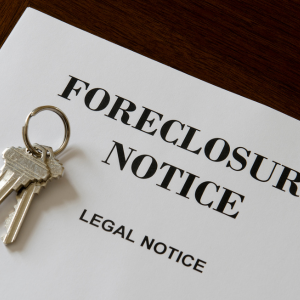
Avoid making common mistakes after foreclosure for a smoother recovery process.
Why Is Ignoring Legal Notices a Mistake?
Ignoring legal notices can have serious consequences:
- Legal Repercussions: Ignoring notices might lead to eviction or additional financial penalties.
- Communication with Lenders: Stay in touch with your lender to make informed decisions and potentially negotiate better terms.
How Can Improper Handling of Personal Property Be Avoided?
Managing personal property correctly during foreclosure is important:
- Organization: List and organize your belongings to ease the moving-out process.
- Understanding the Eviction Process: Learn how to ensure personal property is managed legally.
What Financial Pitfalls Should Be Watched For?
Being aware of financial pitfalls after foreclosure can help avoid further issues:
- Budgeting Errors: Review your budgeting practices to prevent overspending and unnecessary debt.
- Overspending: Watch out for impulse purchases and focus on essential spending.
- Financial Planning: Engage in solid financial planning to anticipate challenges and avoid falling into debt.
You can get back on track financially after foreclosure if you use these tips and stay away from these mistakes. For more help, talk to professional advisors or neighborhood groups that sale with foreclosure and homeowner recovery law. 4 Brothers Buy Houses is here to help people get back on their feet after a loss.
How Does the Foreclosure Process Begin in Virginia?
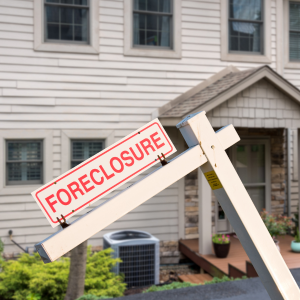
If a borrower in Virginia doesn’t pay back their home loan, the foreclosure process can begin. To do both judicial and non-judicial foreclosures, you need to follow the rules in the Code of Virginia. Most lenders like non-judicial sales because they are easier to go through. When a borrower doesn’t make payments on a mortgage loan backed by a deed of trust, foreclosure starts.
What Are the Initial Steps in a Foreclosure?
The Code of Virginia tells lenders what they need to do when a borrower doesn’t pay back their loan. To decide what to do, they look over the deed of trust. It is the lender’s job to let the user know about the breach and give them a chance to fix it. This step is very important because it sets the stage for further foreclosure steps if the client doesn’t fix the problem.
How Is a Notice of Default Issued?
Virginia’s foreclosure rules say that the lender has to send a notice of default. Defaulting borrowers are told about the upcoming foreclosure in this court document. For judicial foreclosure, this letter is part of what the court does. In non-judicial situations, it is made public to begin the sale process.
What Is the Role of the Lender During this Phase?
During this time, the lender is in charge of communication and the foreclosure process. They send the notice of failure and talk to the borrower about ways to reduce the loss, like making changes to the loan. The lender also makes sure that all mortgage and promissory notes are ready, as these will be needed if the sale goes through.
What Happens at a Foreclosure Auction in Virginia?
In Virginia, foreclosure auctions have to follow certain state rules. Foreclosed homes are being sold at these public sales. Bidders compete by putting down money bids; the property goes to the best bidder.
Where Do Foreclosure Auctions Take Place?
In Virginia, foreclosure auctions are usually held at public places like courthouse steps or other approved locations. These venues are chosen based on legal requirements for transparency and accessibility.
Who Can Participate in These Auctions?
Various participants, including individual bidders, investors, and sometimes homeowners, can join foreclosure auctions. Virginia foreclosure laws outline auction rules that ensure fair and competitive participation for all eligible parties.
How Does the Bidding Process Work?
At a foreclosure sale, people who want to buy a house place bids on the ones that are available. Bidders follow the rules of the auction and try to make the highest price. This process involves figuring out how much the property is worth, what your legal obligations are, and how much money you have. The person who offer the most money wins the property.
By following these tips, 4 Brothers Buy Houses helps clients get through Virginia’s eviction process, making sure they follow the law and making it easier for them to buy property.
What Should You Know About Post-Foreclosure Sale Procedures?
Homeowners and people who want to buy a home in Virginia need to know how the process works after a sale. When a house is sold at a foreclosure sale, the time frame for moving out and being kicked out becomes very important. After the auction, the lender may send an eviction letter telling the old owners when they need to vacate the property. Knowing this timeline makes it easier to plan what to do next.
How Are Proceeds from the Sale Distributed?
The money from an estate sale is given out in a certain way. First, the mortgage lender gets back the rest of the loan amount plus any fees and costs that come with it. There may be money left over that goes to junior lienholders or, very rarely, back to the person who used to own the home. How these funds are used depends on how a Virginia estate auction turns out.
What Is a Deficiency Judgment?
When the default sale doesn’t bring in enough money to pay off the mortgage, a deficiency judgment is issued. In Virginia, lenders can use this ruling to go after borrowers for the rest of the money. There are legal standards, and homeowners who have had their homes foreclosed on should know what their rights are under Virginia law. Talking to a lawyer can help you avoid or fight these kinds of decisions.
How Soon Does Ownership Transfer After the Auction?
After a foreclosure sale, the new owner usually takes over quickly. The new owner can start living in the house as soon as the auction is over. People who used to live in a house will get an eviction letter that tells them when they have to leave. It’s important to know how long you have after the sale to make the appropriate plans and follow the law.
Legal Rights for Homeowners Post-Foreclosure
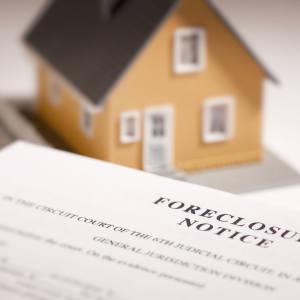
People in Virginia who are about to be kicked out of their home have certain legal rights. Get help from a lawyer to fully understand these rights, especially when it comes to the steps and due dates for eviction. When Virginia’s foreclosed homeowners know their rights, they can’t be kicked out of their homes without a court order and are treated fairly by the law.
What Legal Protections Exist for Former Homeowners?
In Virginia, regulations protect former homeowners and renters who have lost their homes to foreclosure. Knowing about these defenses will help you get through the difficult period of losing your house. Tenant rights and legal options for delaying or fighting eviction are crucial considerations.
How Can You Challenge a Foreclosure Sale?
To dispute a foreclosure sale, you must first understand the legal options available. Before exploring your options in Virginia’s legal system, you should often consult with an attorney. If any mistakes were made during the foreclosure process, a lawyer can assist you in filing a court action.
What Role Does Tenancy Play in Post-Foreclosure Rights?
After the sale, tenants of a foreclosed home have specific rights. Virginia law may protect renters and allow them to stay in the residence after the auction for a set period of time. Tenants must understand their rights and obligations to ensure that they are not evicted prematurely and that the correct processes are taken. For more particular advice, see a property law professional.
Visit 4 Brothers Buy Houses for more information on the steps after foreclosure. There you will find expert help and useful tools.
FAQs:
What is the timeline for eviction after a foreclosure auction in Virginia?
After a foreclosure auction in Virginia, the new owner has to give five days’ notice to move out. If the person doesn’t leave, the removal process may begin.
How long do you move out after receiving an eviction notice post-foreclosure auction in Virginia?
When you get a five-day notice to leave, you should be ready to move right away. Ignoring this could lead to legal steps to kick you out.
Can you extend the time to move out after a foreclosure auction?
In some situations, like when you file for Chapter 13 bankruptcy, the eviction may be put off. Talk to a lawyer to learn about your choices.
What happens if you don’t move out after the eviction timeline?
If you don’t leave by the due date, the sheriff may follow through with the eviction order. It’s very important to know what to do and be ready.
Are there any rights for tenants to stay longer after a foreclosure auction in Virginia?
The Protecting Tenants at Foreclosure Act may help protect tenants. They can stay until the end of their lease or until they get 90 days’ notice. Check your lease and the rules in your area.
What resources are available if you’re facing eviction after a foreclosure auction in Virginia?
During an eviction, helplines, legal aid services, and property rights groups can offer support and guidance.
What effect does military service have on eviction after a foreclosure auction?
Under the Servicemembers Civil Relief Act (SCRA), people in the military may have more rights and benefits. If you need help with your military position, talk to a lawyer.
How can understanding the foreclosure eviction process help prevent issues?
Knowing how long it takes to foreclose in Virginia and how to get kicked out of a house helps with planning and getting ready. Early involvement with real estate or law experts can be beneficial from a strategic point of view.
Key Insights
- In Virginia, knowing the redemption time is important for understanding how the foreclosure auction works and how to get out of a house. According to the rules, people who have lost their homes to foreclosure may have 30 days to two years to leave.
- After a Virginia foreclosure auction, a moving timeline is usually given, and formal notice is usually given at least five working days before the start date of the lease or the date it ends.
- If your home has been foreclosed on in Virginia, you need to know what your rights are. The Constitution of Virginia and FindLaw are two resources that can help you learn more about how Virginia handles evictions after a default.
- If there are second debts or leases, the rules for eviction after an auction can be different. For specifics, talk to a commissioner with a lot of knowledge or look at sites like PropertyRadar.
- People who rent in Alexandria or anywhere else in Virginia should be aware that they could be evicted within five days of the end of the foreclosure auction.
- Legal websites, such as Baker Donelson, can help you understand Virginia’s rules about eviction after foreclosure and the time frame for eviction after foreclosure.
- For information specific to your case, if you’re not sure how long you have to leave your home after foreclosure, you can talk to the local government or a lawyer.
- To get the most up-to-date information on the post-foreclosure eviction process in Virginia, subscribe to newspapers and check your email regularly.
This information applies to Virginia and its cities, including Alexandria, Arlington, Fairfax, and Reston. For more details, please call us at (202) 601-4928 or visit our website at 4 Brothers Buy Houses.