

Most people assume the moving truck has to show up on the day the deed transfers. It doesn’t. Selling your home doesn’t automatically mean boxing up your life and handing over the keys the day escrow closes. You can sell your house and keep living in it, and the arrangements that make it possible are more common than most sellers expect. A growing number of homeowners are cashing out their equity, satisfying their mortgage, and still sleeping in the same bedroom they’ve had for twenty years.
The mechanics exist. Which one fits your situation depends on your circumstances.
Here Is What Skeptical Sellers Get Wrong First
“If I sell, I have to move.” That’s the objection I hear at almost every kitchen table conversation, and it stops sellers from even exploring options that could solve a real financial problem. This belief is so baked in that people will sit on a property they can’t afford to maintain rather than ask whether there’s a middle path.
American homeowners are collectively sitting on a record $17.9 trillion in home equity as of the first quarter of 2026, and for the average homeowner, that amounts to roughly $310,500 locked inside their property. Your money isn’t doing anything while you’re worrying about a balloon payment or a medical bill you can’t cover. Selling with a stay-in-place arrangement converts that frozen asset into something you can actually use.
I’ve sat with sellers who spent eight months worrying about where they’d go, only to realize the buyer was perfectly willing to let them stay on as tenants while they figured it out. Months of stress and, in a few cases, money they could have had sooner were the cost of their hesitation. Bring this conversation up early with whoever you’re working with, because buyers and investors who specialize in this structure aren’t hard to find once you know how to ask.
Can I Sell My House and Still Live in It?
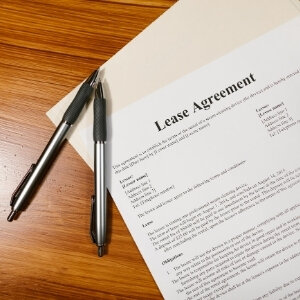
Sellers rarely hear this spelled out plainly: when you sell your home to an investor or a cash buyer, the lease agreement and the purchase contract are two separate documents negotiated simultaneously. You sign one as a seller and the other as a tenant, which means you’re wearing two hats at the closing table. Nothing in real estate law prevents this, and it happens regularly in both residential and commercial transactions.
Volatile interest rates have left millions of homeowners locked out of their home equity, with limited refinancing or loan options, which is exactly why sell-and-stay arrangements have moved from a niche commercial tactic into everyday residential real estate. Sellers who can’t qualify for a home equity line of credit or a cash-out refinance still have significant equity. The sale gives them access to it without the credit hurdles that banks impose (and banks impose plenty of them).
Does this arrangement cost you something? Yes, you trade ownership for liquidity and flexibility, but your property taxes, homeowner’s insurance, and major maintenance costs typically shift to the new owner under a properly structured lease. You also give up the equity appreciation that happens after closing, so timing and market conditions matter, especially in fast-moving neighborhoods. Teams like 4 Brothers Buy Houses handle these transactions regularly and can walk you through what the numbers would look like for your specific property.
What Is the Sell-and-Stay Real Estate Strategy?
So the arrangement is legal and documented. In practice, the mechanics actually work this way.
The sale-leaseback model allows homeowners to sell their homes to a company or investor and receive a portion of their equity in cash. From there, the seller typically signs a 12-month lease with the option to extend, repurchase the home, or sell it on the open market. Some programs are structured with month-to-month flexibility; others lock in a longer-term commitment with a fixed rent (which protects you if rents rise). The right structure for you depends on what you’re trying to accomplish.
Back in March, I worked with the Mendoza family in Hyattsville, Maryland. They’d watched two agent listings expire with zero offers on a property that needed roof work and had an unconventional floor plan. On a Tuesday afternoon, we sat down and structured a sale with a six-month leaseback, which meant they could stay put while the sale closed around them. They got their cash, cleared the mortgage, and didn’t move a single piece of furniture. When we closed, the garage was still full of their son’s old baseball gear. We run the same structure for sellers elsewhere in Prince George’s County, including the homeowners who find us searching for we buy houses in Upper Marlboro.
A sell-and-stay strategy appeals to homeowners in a few specific situations: those facing financial pressure who need equity access fast, those who are retiring and want to stop managing a property without uprooting their lives, and those who simply need a bridge during the process of figuring out their next move (sometimes that takes longer than expected).
Other Types of Sale-Leasebacks Worth Knowing About
You’ve got more than one version of this strategy to consider, and picking the wrong one can cost you real money.
A short-term leaseback negotiated directly into a traditional sale contract is the simplest version. Your real estate agent or the buyer’s agent writes a post-closing occupancy agreement into the sale. If your listing agent successfully negotiates a leaseback in the sales contract, you can extend your move-out date with a temporary rental period in your former home, the buyer becomes your landlord, and the leaseback can be free or negotiated at a set price. These are short: a few days to a few weeks (rarely more than thirty).
A longer-term residential sale-leaseback through a specialized investor or company is on a different scale. You’re not borrowing time to pack boxes; you’re planning to stay for a year or more as a paying tenant. Under this arrangement, you sell your home to an investor and then rent it back, accessing your equity without having to move out. Arranging this independently is possible, but working with a company that specializes in these transactions tends to make the process more straightforward (the contract terms vary significantly between companies).
A home equity reversion is a third variant, common in other countries and growing here. By selling a percentage of future appreciation to an investor in exchange for cash, the homeowner avoids losing the deed entirely. It’s not a full sale-leaseback, but it solves a similar problem for sellers who want liquidity without giving up ownership, letting you keep your name on the title and still pull cash out.
What Are the Benefits of a Sale-Leaseback Agreement?

Sellers who skip the fine print and sign a leaseback agreement without understanding the full financial picture end up in trouble. Know what you’re getting before you commit.
The benefits for the right seller are genuine. No moving costs, no storage unit rental, no scrambling to find temporary housing as your next chapter sorts itself out. You receive a lump-sum cash payment from the sale without adding a monthly loan payment like a HELOC or home equity loan, and the leaseback lets you remain in place as you plan your next move or maintain your current lifestyle (buying time is genuinely underrated here).
There’s also a tax angle worth understanding. Depending on your situation, the sale proceeds may qualify for the capital gains exclusion if you’ve lived in the home as your primary residence for two of the last five years. And after closing, the property tax bill and the insurance on the structure both become the new owner’s responsibility, not yours.
Unlike traditional loans, sale-leaseback arrangements are not dependent on the homeowner’s credit score, making them accessible to a wider range of homeowners. For sellers who’ve built equity over two decades but whose credit took a hit during a rough stretch, this matters. The equity is what qualifies you, not your FICO score.
What Are the Drawbacks of the Sell-and-Stay Model?
Giving up ownership is a permanent decision, and too many sellers don’t weigh it that way until it’s too late.
Once you transfer the deed, the home’s future appreciation belongs to the buyer, and you no longer benefit from increases in your home’s value unless a buyback option is available. In a market where the U.S. median home sale price reached a new all-time high of $440,600 in June 2026, giving up a year or two of future gains is a real cost to factor in.
Rent can also increase. Monthly rent is set based on current market rates, which can exceed what you were paying as a homeowner, and rent can increase over time, with missed payments potentially leading to penalties or even eviction. Read every rent escalation clause before signing. If your lease allows the new owner to raise the rent by 8 percent annually, your budget in year three will look very different from year one.
Are you certain the company or investor you’re working with is reputable? That question matters more than any other. The Federal Trade Commission has issued consumer alerts specifically about sale-leaseback pitfalls, warning homeowners to watch for hidden fees, aggressive rent escalations, and eviction clauses buried in complex contracts. Working with local, established cash house buyers in Virginia like 4 Brothers Buy Houses gives you the transparency (especially on rent escalation terms) that larger, tech-platform companies sometimes skip.
How Much Money Should You Save Before You Sell?
Three to six months of your anticipated rent is the starting target, but that’s a floor, not a ceiling.
Your rent as a tenant will likely be close to the fair market rent for your area. Around the DC metro area, that’s often $2,000 to $3,000 a month for a single-family home, so your cushion should cover at least $6,000 to $18,000 before you sign anything. That buffer protects you if your income fluctuates or if the transition takes longer than planned (and transitions almost always do).
Closing costs on the sale side also eat into your proceeds. Sellers give up somewhere between 6 and 10 percent of the sale price, and most of that goes to agent commissions if a real estate broker is involved. On a median-priced property, that’s a chunk worth knowing about upfront rather than at the closing table (I’ve seen sellers genuinely stunned by this number). If you sell directly to a cash buyer, those commission costs shrink or vanish altogether.
Separately, consider the moving costs you might incur, even in a leaseback. Even if you’re staying in the house, some sellers eventually move, and storing belongings, hiring movers, or setting up a new place still comes with a price tag. Budget for that transition even if the date is twelve months out (easy to forget when closing is the focus). The Consumer Financial Protection Bureau has useful resources to help you understand your loan payoff and net proceeds before signing anything.
How to Prepare Your Home Before You List It

The checklist sellers find online, the one with 47 steps about staging and curb appeal, mostly applies when you’re competing for retail buyers on the open market. Sell to the right investor with a leaseback structure, and that list shrinks fast (sometimes down to just paperwork).
Get your paperwork in order before any conversation with an investor goes too far. Pull together your mortgage payoff statement, your homeowner’s insurance policy, any HOA rules about rentals, and a rough repair history for major systems. An investor making a cash offer to structure a leaseback cares more about clear title and known repair items than about whether you repainted the front door.
The National Association of Realtors reports that homes spent a median of roughly 28 days on market in June 2026 before going under contract, and that’s before the 30 to 49 days it takes to get through financing approval. A direct sale to an investor sidesteps most of that timeline, which matters when your financial situation has a deadline (foreclosure notices don’t wait).
Tasha Mitchell was done. She’d inherited a property in Capitol Heights, Maryland, and spent two years trying to manage it from out of state, never wanting to be a landlord in the first place. On a Wednesday walkthrough, we noticed the detached garage was packed with the previous owner’s furniture she’d never cleared out. As a company that buys houses in Maryland, we structured a direct sale with a short leaseback that gave her time to handle the estate items properly. She had her cash within three weeks and didn’t have to manage a single tenant complaint again. Out-of-state heirs across the DMV land in the same spot, whether the property sits in Capitol Heights or they are looking for cash home buyers in Silver Spring.
Sellers in a similar spot should also review IRS guidance on the home sale exclusion before closing, because a leaseback doesn’t eliminate your tax obligations on the sale itself.
Frequently Asked Questions
What Is It Called When You Sell Your Home but Can Still Live in It?
The arrangement is called a sale-leaseback, or sometimes a “sell and stay” program. You transfer ownership of the property to a buyer, investor, or company, and simultaneously sign a lease that lets you remain in the home as a tenant. The two transactions close together, so you never have to vacate on closing day.
How Do You Sell Your House While You Still Live in It?
You negotiate the leaseback terms at the same time as the sale contract. If you’re working with a cash buyer or real estate investor, bring up the sell-and-stay option during your first conversation; many buyers are open to it. If you’re listing on the open market, your real estate agent can include a post-closing occupancy agreement in the offer, which gives you a defined period to remain in the home after closing.
How Long Do I Have to Live in My Home Before I Can Sell It?
There’s no legal minimum residency period for selling your home. However, if you want to qualify for the federal capital gains tax exclusion on your profits, you generally need to have owned and used the property as your primary residence for at least two out of the five years before the sale date. Selling before that two-year mark doesn’t disqualify you from selling, but it may mean owing taxes on a larger portion of your gains. Check with a tax professional for your specific circumstances, or review IRS Topic 701 for guidance.
Can I Sell My House and Still Live in It Rent Free?
In some structured programs, sellers can apply a portion of their sale proceeds toward prepaid rent, effectively living rent-free for a set period after closing. This isn’t permanent, but it can give you a meaningful runway to get your finances sorted without a monthly payment hanging over you. Not every buyer or program offers this, so ask specifically about rent prepayment options when you’re negotiating your lease terms.
If your situation involves financial pressure, a timeline, or just the uncertainty of not knowing what comes next, talking through your options costs nothing. 4 Brothers Buy Houses works with homeowners who want to sell on their terms, including staying in place while they figure out the next chapter. You can contact us whenever you’re ready. No pressure, no obligation.
Helpful Washington Blog Articles