![How Long Does a Real Estate Agreement Last [market_city]](https://image-cdn.carrot.com/eyJidWNrZXQiOiJwcm9kdWN0aW9uLmNhcnJvdC11cGxvYWRzLm9uY2Fycm90LmNvbSIsImtleSI6InVwbG9hZHMvc2l0ZXMvNzg0NjMvMjAyNi8wOC9Ib3ctTG9uZy1Eb2VzLWEtUmVhbC1Fc3RhdGUtQWdyZWVtZW50LUxhc3QuanBnIiwiZWRpdHMiOnsicmVzaXplIjp7IndpZHRoIjoxMTUyfSwidG9Gb3JtYXQiOiJ3ZWJwIiwid2VicCI6eyJxdWFsaXR5Ijo3MH19fQ==)

You signed the offer. The seller signed back. Everyone shook hands, and the champagne emoji went out in the family group chat. And then someone asked, “So wait, how long does this contract actually last?” Suddenly, nobody had a clean answer.
Virginia homebuyers and sellers get into trouble in that gap between signing and knowing. The contract feels like a handshake, but it’s a legally binding document with specific timelines, contingency windows, and obligations that run until settlement. Missing a deadline by a day can cost you your earnest money deposit, or worse, the sale altogether. I’ve watched that happen over something as small as a missed inspection notice.
What Is a Virginia Real Estate Contract?
Most people walk into a real estate transaction thinking a signed contract means a done sale. What they actually get is the starting gun for a race with multiple legs, each with its own deadline.
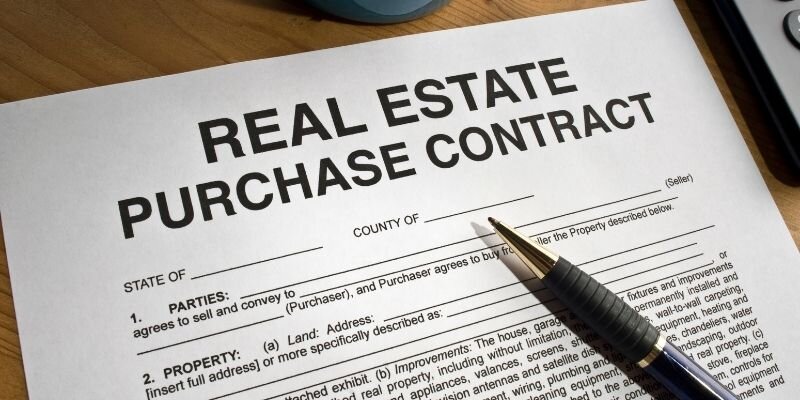
A Virginia real estate purchase agreement is a written, legally binding contract between a buyer and a seller that governs the sale of residential property. Under VA. Code § 11-2, real estate contracts must be in writing to be enforceable. A verbal agreement to buy or sell a house, no matter how sincere, won’t hold up. Once both parties have signed and the last signature is dated, that date becomes the ratification date, and every contingency deadline in the contract starts running from that point.
Your contract spells out the purchase price, the earnest money deposit amount, who holds those funds in escrow, the settlement date, and every contingency the buyer and seller have agreed to. The Virginia REALTORS® form requires buyers to apply for financing within five business days of acceptance, while the Northern Virginia form allows seven days after ratification. Miss whichever deadline your form sets, and you risk default on the financing contingency. That’s a tight window, and one many buyers miss.
A couple of years ago, I worked with an out-of-state heir in Burke who had inherited his parents’ home and quietly kept paying two mortgages for almost a year before calling us. He had no idea that the moment he signed a purchase agreement, every deadline inside it would start running from the ratification date rather than from the day he finally felt ready. Once we explained what the contract required, we were able to close cleanly that Thursday.
Your contract doesn’t expire when you experience cold feet. It expires at settlement, unless a contingency voids it first. That distinction matters more than most buyers realize going in.
What Are the Most Common Real Estate Contracts in Virginia?

Which contract will you see when an offer arrives? Virginia primarily uses two contract templates for residential sales: the Virginia REALTORS® form and the Northern Virginia Association of Realtors contract. The Northern Virginia form is most common in Fairfax County, Arlington, Loudoun, and Prince William, where the market moves fast enough that local agents have developed their own standards. The statewide Virginia REALTORS® form tends to appear more in Richmond, Hampton Roads, and markets south and west of the D.C. suburbs.
Both documents cover the same core ground: sales price, financing terms, appraisal contingency, home inspection contingency, and a settlement date. Where they differ is in specific language around seller subsidies, brokerage compensation disclosures, and how they handle buyers’ property sale contingencies. Buyers moving from Charlottesville to Northern Virginia sometimes get confused by these differences when they assume the form they used before will look identical (the wording around contingency timelines shifts noticeably).
A listing brokerage is required to present a seller with a written listing agreement before marketing begins, and buyer’s brokerages work under their own written agreements as well. Both are separate contractual obligations from the purchase contract itself. Read all three before assuming you know what you’ve signed.
What Must Be Disclosed When Selling a House in Virginia?
The Virginia Residential Property Disclosure Act (§ 55.1-700 et seq. of the Code of Virginia) governs what owners must disclose to prospective buyers of residential real property. Virginia’s Department of Professional and Occupational Regulation maintains the official disclosure form, and sellers must deliver it to buyers before ratification. Certain transfers are excluded from the requirements, so if you’re handling an estate sale, a foreclosure, or a transfer between family members, your attorney can clarify whether you qualify for an exemption.
Known material defects covered by the disclosure form include:
- Structural issues
- Roof condition
- HVAC systems
- Plumbing
- Any history of flooding or moisture
It does not require you to be a home inspector. It requires you to honestly report what you know. Sellers who try to hide a leaking basement in Fredericksburg or a known foundation crack in Woodbridge create legal liability that can follow them for years after the settlement check clears.
Virginia also requires sellers to provide buyers with an HOA or condo resale disclosure, which includes financial statements, governing documents, rules, and any pending assessments. We handle these Virginia-specific requirements every week at 4 Brothers Buy Houses, and we can help sellers who feel overwhelmed by the paperwork side of things. Skipping disclosures to speed up a sale almost always costs more on the back end than it saves up front.
How Long Does a Real Estate Contract Last in Virginia?
So when does your obligation actually end? Your contract runs until settlement, and settlement is whatever date both parties agreed to in writing.
That sounds simple, but the practical reality runs from about 30 days on the short end for cash purchases to 60 days or more when mortgage financing, appraisals, and contingency periods stack up. Price gives you some sense of what is riding on those weeks. Virginia REALTORS® put the statewide median sales price at $452,060 in May 2026, up 2.7% from a year earlier.
Here is how the separate clocks in a Virginia transaction compare:
| Agreement or deadline | Typical length | Runs from |
|---|---|---|
| Loan application deadline | 5 days | Ratification date |
| POA or condo resale packet cancellation window | 3 days | Delivery of the packet |
| Cash purchase to settlement | About 30 days | Ratification date |
| Financed purchase to settlement | 60 days or more | Ratification date |
| Listing agreement with a brokerage | 90 to 180 days | Signing |
| Statute of limitations, written contract | 5 years | When the cause of action accrues |
Your clock to beat is the ratification date. Every contingency deadline, every inspection window, every loan approval deadline runs from that date. Miss the inspection contingency window, and you’ve likely waived your right to walk away based on physical condition. Miss the financing deadline and your earnest money deposit could be at risk. This contract won’t hold your hand or send you reminders.
One thing that often gets left out of conversations about contract length. The agreement doesn’t automatically die if the settlement doesn’t happen on the agreed date. Unless your contract contains explicit “time is of the essence” language tied to the settlement date, a missed closing date typically triggers negotiation between the parties rather than automatic termination. Settlement agents advise avoiding the last few days of the month when scheduling your closing, since those days are the busiest and delays are more likely. Pick mid-month if you have any flexibility.
Am I Required to Close by the Settlement Date in a Virginia Real Estate Contract?

Not necessarily. In most Virginia contracts, the settlement date functions as a target date rather than a hard stop unless the parties have agreed to “time is of the essence” language. Without that language written explicitly into the contract, a party that misses the settlement date hasn’t automatically forfeited their rights or breached the agreement. They’ve created a delay that needs to be resolved by written agreement, typically an addendum signed by both sides extending the closing date.
That said, if the buyer’s lender is causing the delay and the seller has a back-to-back purchase contingent on proceeds, the seller’s exposure is real. Arlington sellers who need their equity to fund a purchase in Fairfax can’t stay in contractual limbo forever, and I’ve seen that pressure build quickly when a lender keeps pushing the closing date. An attorney who handles real estate in Virginia can advise you on whether you have grounds to declare a breach and void the agreement.
A material breach by either party relieves the other party of its duty to perform. Real estate is also unique, so a case for specific performance may exist. That means a court order forcing the other party to complete the transaction. Virginia courts take these cases seriously. If a buyer just decides they don’t want the house anymore after contingencies have expired, specific performance is a real legal remedy the seller can pursue.
Can a Buyer Back Out of a Real Estate Contract in Virginia?
Backing out and doing it cleanly are two very different things, and that line is drawn by the contingencies still active at the moment someone decides to walk.
In Virginia, once a real estate contract is ratified, buyers generally cannot cancel without penalty unless specific contingencies apply. Among the most common are the home inspection contingency, the mortgage financing contingency, and the appraisal contingency. If the buyer backs out for a valid reason within the contingency period, they usually get their earnest money deposit back and walk away without legal consequences.
The earnest money deposit, often between 1% and 3% of the purchase price, sits in an escrow account managed by a licensed broker or settlement agent. When a buyer walks away cleanly through a valid contingency, those funds are released back. When a buyer walks away in breach, the seller is often entitled to keep the deposit. Even then, both parties must sign a release form to disburse the funds (a step that surprises many buyers), which can hold things up further.
If a home sits in a community with a property owners’ association, the buyer receives an HOA disclosure packet and has three days to cancel the contract after that, with no specific reason required. Buyers in gated communities in places like Reston or Great Falls should know that window exists and use it to review the docs carefully before it closes.
After all contingencies expire, the situation changes. If a buyer wants to walk away, they must either rely on a valid remaining contingency or prepare for possible legal and financial consequences. We work with sellers whose sales fell apart at this stage, and you can see how that runs on our “We Buy Houses in Virginia” page. Sometimes, the cleanest path forward is a direct cash buyer who doesn’t bring financing or appraisal risk into the picture.
When Do You Need a Lawyer for a Virginia Real Estate Contract?
Five years of litigation costs more than one hour of legal advice before you sign.

Virginia doesn’t legally require an attorney to be present at residential closings. A settlement agent or title company handles most closings. That said, there are specific situations where going in without an attorney is a mistake you’ll pay for later.
An estate sale, a foreclosure purchase, a transaction involving a quitclaim deed, or any transaction where the title history has gaps. All of those warrant a real estate attorney reviewing the contract before ratification. The same applies if you’re buying a property with liens, code violations, or an unpermitted addition in an older neighborhood like Old Town Alexandria or Historic Manassas. One lien you didn’t know about can derail a closing or, worse, become your problem after it. Owners in that position sometimes look at Sell My House Fast Alexandria For Cash as the simpler path.
Sellers facing a breach of contract situation, where a buyer has walked away without a valid contingency, should call an attorney before agreeing to release the earnest money. Whether specific performance is worth pursuing depends on the facts, but you want to know your options before you sign anything releasing your rights.
A landlord I worked with in Manassas had inherited a house packed with more than thirty years of belongings. Her siblings wanted a clean exit that week to avoid another month of holding costs. Selling traditionally would’ve taken weeks just to clear the property. A real estate attorney helped them understand the title transfer, and because we buy houses in Manassas as-is, they had a path to close without any of that cleanup burden landing on them.
Frequently Asked Questions
How Long Do Realtor Contracts Usually Last?
A listing agreement with a REALTOR® in Virginia typically runs 90 to 180 days, though the seller and the brokerage negotiate the specific term when you sign. The purchase contract itself runs from ratification until the settlement date, which is usually 30 to 60 days after both parties sign. These are two separate agreements, and understanding which one you’re asking about matters when a transaction starts running long.
Can a Buyer Cancel a Real Estate Contract in Virginia?
Yes, under certain conditions. Virginia does not give buyers a general cooling-off period on a residential resale purchase contract. The three-day cancellation window applies when the property sits in a community with a property owners’ association or condominium association, and it runs from delivery of the resale disclosure packet. Outside that window, the buyer needs a valid reason, such as an unmet contingency or a termination clause, to exit without penalty. Once all contingencies have been satisfied or have expired, walking away puts the buyer’s earnest money, and possibly more, at risk.
What Closing Costs Do Sellers Pay in Virginia?
Sellers spend the most on agent commissions, which typically account for 50% to 70% of total closing costs. The historical standard runs 5% to 6% of the sale price, split between the listing and buyer’s brokerages. Beyond commissions, sellers cover the Virginia grantor’s tax, any negotiated seller subsidies, prorated property taxes, and HOA-related disclosure fees where applicable. Your total out-of-pocket typically lands somewhere between 6% and 9% of the sale price, though it varies by property and structure.
What Is the Statute of Limitations for a Written Contract in Virginia?
Suits on written contracts in Virginia must be brought within five years from the time the cause of action accrues, per VA. Code § 8.01-246. Contracts governing the sale of goods carry a separate four-year limitation under Virginia’s commercial code. For a standard residential purchase agreement, though, the five-year window governs a breach of contract claim.
If you’re sorting through a Virginia real estate contract and the timelines feel murky, or if your sale fell apart and you want to understand your options, we’re here to talk it through. No pressure, no obligation. Contact 4 Brothers Buy Houses and let’s figure out what actually makes sense for your situation.
Helpful Virginia Blog Articles
- Selling Your Deceased Parents’ House Without Probate In Virginia
- Selling Your Virginia House With A Lien
- Can You Sell Your House In A Trust In Virginia
- Paperwork For Selling A House by Owner in Virginia
- Who Pays Closing Costs When Selling A House in Virginia
- How Long Does a Real Estate Contract Last in Virginia
- How to Avoid Closing Costs When Selling a House in Virginia
- Eviction Process for Landlords and Tenants in Virginia