

Selling a home in Maryland involves costs beyond repairs and staging. One key expense is the realtor’s commission, which can significantly impact your net proceeds. Understanding how much a realtor charges in Maryland helps homeowners budget effectively and make informed decisions, with 4 Brothers Buy Houses guiding you every step of the way.
Understanding Realtor Charges in Maryland
When selling a house in Maryland, it’s essential to grasp realtor charges to accurately assess the expenses involved in the sale of a home. The commission for real estate is a key expense, typically expressed as a percentage of the sale price of the home. The fees usually range from 5% to 6% of the sale price, divided between the experts representing the seller and the buyer. This framework guarantees equitable remuneration for all participating real estate professionals. Understanding the calculation and distribution of these fees empowers homeowners to make informed choices, taking into account market trends and the specific real estate agreements detailed in the brokerage contract.
How the Real Estate Commission Works in Maryland
In Maryland, real estate commissions are based on a percentage of the home’s sale price per expert. Commission rates are usually negotiated between the homeowner and listing expert, and are a crucial part of the brokerage agreement. This percentage can be negotiated, but it averages 5%–6% of the selling price. The estate commission is usually the biggest realtor fee.
The seller’s and buyer’s experts split these fees, reflecting their roles in the transaction. Market conditions, the selling price of similar homes, and the MD real estate market can affect compensation, notwithstanding the specified percentage. A 6% commission rate means $18,000 for expert commissions on a $300,000 home. Splitting this sum, both experts receive $9,000 apiece, minus brokerage fees.
Maryland allows commission rates to be adjusted based on requirements and agreements. In addition, the commission might change with the housing market, giving homeowners bargaining power. Understanding this approach helps sellers budget and make decisions that maximize earnings and minimize out-of-pocket costs. Sellers may negotiate and choose the best estate experts by understanding these dynamics.
Who Pays Realtor Fees in Maryland?
Except as expressly stated in the brokerage agreement, Maryland sellers pay realtor fees. The seller’s sale proceeds are significantly reduced by the 5%-6% commission costs. Unlike popular belief, buyers indirectly pay these fees as part of their purchase price, which includes all potential expenditures.
Because estate experts list, advertise, and handle possible purchasers, this cost distribution makes sense. Experts get commissions. To place their home advantageously in the MD housing market, the seller pays these fees. In certain cases, a buyer may agree to pay part or all realtor fees, as stated in real estate agreements.
This depends on agreements between the parties or market conditions that may encourage a buyer to pay more to finish a purchase swiftly. Sellers must know who pays these fees to organize their finances. Also, sellers should be transparent and clear in their contracts to understand their financial obligations. Clarity helps evaluate other bids and can influence the final cost selection.
Sell your home for cash in Maryland quickly and stress-free with a fair offer.
Commission Structure and Expert Commissions in Maryland

Maryland’s commission structure has a direct impact on how much sellers pay and what experts receive. Understanding the commission structure helps shed light on the real estate process, revealing how experts can best assist customers. Typically, the estate commission is split among numerous parties, impacting the total selling price. Explaining how expert commissions are related to selling expenses assists Maryland sellers in strategizing their financial strategies. When we look at the commission split and incorporate it into the selling equation, homeowners can get a clearer sense of the true financial commitment involved when selling a home.
How Is the Commission Divided Between Experts?
A large part of Maryland expert remuneration is the commission, divided between the listing expert and the buyer’s expert when a property is sold. Traditionally, the estate commission, which is 5% to 6% of the home’s sale price, is split evenly between the two experts. In a $300,000 house sale with a 6% commission, each expert receives $9,000 of the $18,000 commission. This divide may be more complicated depending on Maryland’s real estate market.
The homeowner and listing brokerage negotiate the initial commission rate. The brokerage agreement hinges on these negotiations, which affect financial consequences. The negotiated commission takes into account local real estate market conditions, the home’s projected value, and expert services. The normal split is equal; however, it may vary based on expert agreements or brokerage policies. Real estate brokers may receive a share of the expert’s commission, as experts usually have a broker’s license. The experts will split the commission with the brokerage, which will take a certain percentage.
Understanding this money flow clarifies the misperception regarding experts’ large direct compensation. Instead, it shows a delicate mechanism that balances several parties’ efforts to sell the property. By understanding split commissions, sellers can make informed decisions and negotiate arrangements that meet their financial goals.
Incorporating Expert Commissions into Selling Costs
Maryland home sellers must include expert commissions in their total selling costs to grasp their financial picture. Since commissions depend on the home’s sale price, they usually make up the majority of selling costs. To minimize financial surprises, sellers must include this in their budget planning from the start. Knowing the average commission is 5% to 6%, sellers can estimate their costs based on the projected sale price to determine their profit.
Maryland sellers usually negotiate commissions in their brokerage agreement. Through this agreement, the expert’s commission rate and other services are set. Sellers should discuss rates and services with their representatives. This may reduce other marketing or advertising costs, making the commission a holistic cost for selling activities. Additionally, understanding how these commissions interact with other Maryland housing market prices is crucial. Home staging, repairs, and warranties, together with commissions, all increase the cost of selling a house. Sellers can better manage their budgets and maximize profits by including commissions as a primary expense.
Understanding this cost structure helps the seller price the property to attract serious bidders and meet all expenses. A commission calculator can simulate selling price possibilities and net profits for an informed seller. Thinking holistically about these aspects prepares homeowners for discussions or offers that involve commission splits. This strategic insight helps sellers achieve their financial goals and work efficiently with real estate professionals.
At 4 Brothers Buy Houses, we buy houses in Annapolis and other areas, helping homeowners sell quickly and effortlessly.
Additional Expenses When Selling a House in Maryland
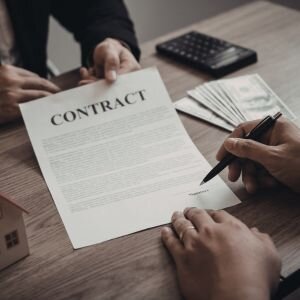
When you sell a house in Maryland, you have to pay more than just expert commissions. Closing costs and other fees can also eat into your net profit. Homeowners typically have to pay more than just commissions. They often have to pay taxes, fix things around the house, and hire lawyers, which can add up rapidly. When making a budget for a home sale, it’s important to include these costs so that you don’t run into unexpected financial problems. Sellers can make the selling process go more easily by knowing about common closing costs and being ready for unforeseen fees. This leads to better financial preparation and may even lead to higher profits.
Common Closing Costs and Additional Fees for Sellers in Maryland
Maryland property sellers can anticipate a variety of closing costs that might considerably impact their eventual profit. Real estate closing costs include a variety of essential fees. Being aware of these costs helps sellers budget and save money. Title insurance, 0.5% to 1% of the sale price, protects against property ownership claims and is a key closing fee. Other major expenses include transfer taxes, which vary by county and home value. Maryland levies 0.5% plus county fees.
Settlement attorneys are often needed to conduct the closing process, and their fees are another important closing cost. Law fees average $500–$1,500, depending on transaction complexity and attorney expertise. Additional costs may include prorated property taxes and utility liabilities owed by the seller before closing. Payment of these charges early ensures a smooth transfer to the buyer without legal or financial issues.
Commonly called transaction or processing fees, real estate brokerage administrative costs are sometimes disregarded. The brokerage receives $150–$500 for the administration of transaction paperwork. Without agency commissions, Maryland closing expenses can range from 2% to 5% of a home’s sale price. Strategizing and negotiating can share or reduce these costs, especially in a buyer’s market. Understanding and planning for these expenditures can help sellers avoid surprises and negotiate with a more realistic financial outlook.
Budgeting for Unexpected Expenses in Maryland
When selling a Maryland home, sellers can expect additional charges beyond closing costs. Unexpected fees might derail a sale for naive sellers. Build a budget buffer to cover these unexpected costs. Pre-listing or buyer inspections may disclose roof problems, plumbing leaks, or electrical issues that require repairs. Even well-maintained properties may need last-minute repairs to sell.
People who are selling their homes may also have to pay to have them staged in order to get more buyers. When homes are staged by professionals, they sell faster and for more money. The price ranges from a few hundred to a few thousand dollars, based on the time and work that needs to be done. A home guarantee may be needed because of the market or because the buyer wants one. This can add $300 to $600 to the seller’s costs. If there are title disputes or liens, you may need to pay more for legal help or papers to settle them.
Check mortgage payoff modifications carefully, as errors in calculating the mortgage amount payoff might cause differences that require immediate resolution and additional administrative expenses. Financial pressure can be avoided by preparing for these unlikely but realistic events. A contingency fund of a percentage of the expected sale price helps sellers weather last-minute surprises without delaying the sale. Financial preparation reduces stress and helps sellers to manage transactions with confidence and agility, easing the closing process.
Selling your property? We make the process fast, simple, and fair. For personalized assistance, Contact Us at 4 Brothers Buy Houses.
Maximizing Savings on Selling a Home in Maryland

While trying to save as much money as possible on expert fees, which often have a big effect on the overall cost of selling, the process of selling a home can be complicated. It can make a huge difference to work with knowledgeable Maryland experts. Because sellers know how these agencies work within certain parameters, they can find ways to cut costs and increase their net profit. Utilizing expert knowledge about Maryland’s real estate market can help you save money and make the selling process more efficient, whether you’re talking commission rates or looking into other ways to get paid.
Partnering with a Maryland Expert to Reduce Costs
In Maryland’s busy real estate market, working with skilled experts helps reduce house-selling costs. The sale process depends on these experts; therefore, knowing their pay systems is critical. Most expert commissions are negotiated and based on 5% to 6% of the house’s final sale price. Sellers can deliberately cut costs by using flexible commission experts. In long-term relationships or market situations that justify lower remuneration, realtors often agree to lower rates. This coordinated strategy generally boosts homeowner profits.
Local experts’ market knowledge is crucial to cost management in Maryland. They can advise sellers on staging tactics that boost a home’s worth without breaking the bank. Experts may also refer buyers to photographers and stagers who may showcase the home and boost sales without breaking the budget. An expert who can negotiate helps manage seller expectations and reach a sale price that covers costs and maximizes profit. Knowledgeable experts can also suggest ways buyers can share commissions. Sellers usually pay commission, while buyers may pay more. This change can be made during negotiations if the market supports it, relieving sellers of financial burden.
Communicating with experts about financial limits enables individualized guidance, making home-selling financially rewarding. Sellers can save thousands and pleasantly navigate an optimal sale by strategically working with the best Maryland estate experts.
Ready to sell your home? Avoid expensive repairs and sell quickly without stress. 4 Brothers Buy Houses is here for you. We provide fair cash offers, manage the details, and simplify the process. Questions or ready for an offer? Call 202-601-4928 now for a no-obligation quote. Get started today!
FAQs:
Which Maryland Real Estate Commissions Are Typical for Home Sales?
Maryland sellers and buyers split real estate commissions of 5% to 6% of the home’s transaction price.
Can Real Estate Commissions in Maryland Be Negotiated?
The seller and listing expert can negotiate commission rates. Services and market conditions affect agreements.
Who Typically Pays the Real Estate Commission in Maryland?
The seller pays the real estate commission in most Maryland transactions unless the brokerage agreement states otherwise.
Sellers Should Expect What Costs Beyond the Expert Commission?
Sellers should budget for closing costs, title insurance, transfer taxes, and possible repairs or staging. These expenses can account for 2%–5% of the home’s sale price.
How Does the Division of Real Estate Commissions Work?
Listing and buyer’s experts normally split the commission 50/50. Agreements or market conditions can affect these divides.
Helpful Maryland Blog Articles